
Chemical Name: Bacillus thuringiensis
CAS No.: 68038-71-1
Molecular Formula: C22H32N5O16P
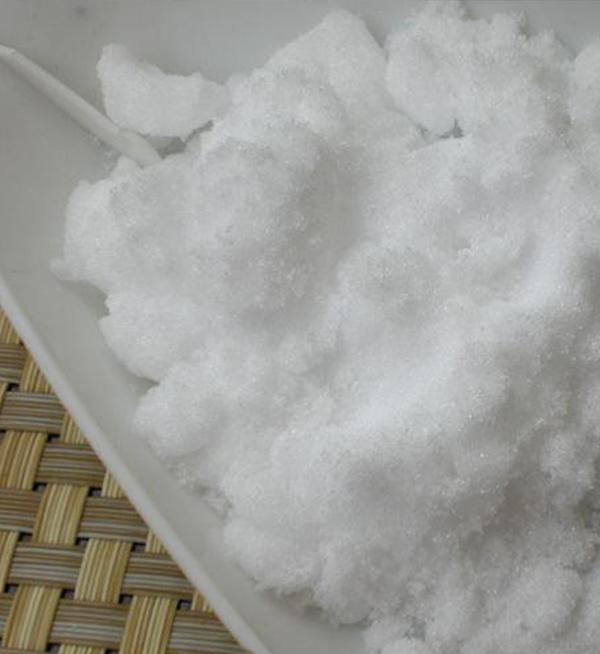
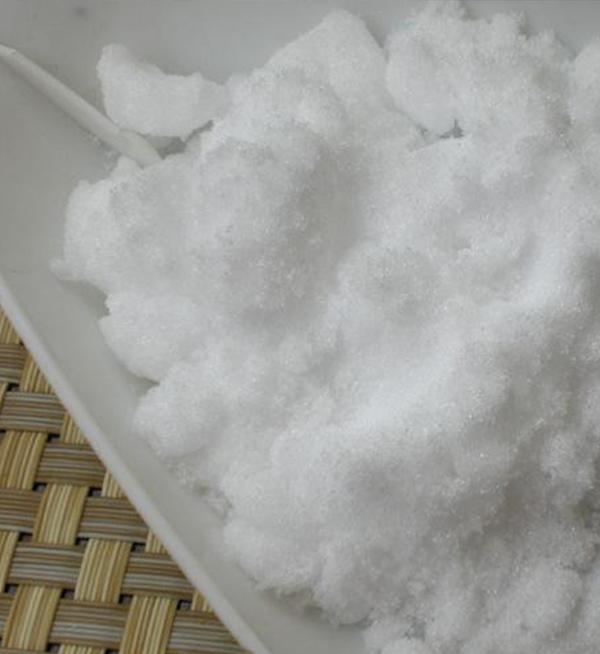
Appearance: White crystal powder

Chemical Name: Bacillus thuringiensis
CAS No.: 68038-71-1
Molecular Formula: C22H32N5O16P
Appearance: White crystal powder
Bacillus thuringiensis Details
Chemical Name: Bacillus thuringiensis
Synonyms: bitoksybacillin
CAS No.: 68038-71-1
Molecular Formula: C22H32N5O16P
Appearance: White crystal powder
Typical Properties
| Water content | 0.4% |
| Water insoluble | 0.04% |
| Purity(GC) , | 1200IU |
Product Description:
Bacillus thuringiensis (Bt, CAS 68038-71-1) is a naturally occurring, Gram-positive bacterium renowned for its insecticidal properties. It is typically supplied as a biological pesticide in forms such as powders, granules, or liquid suspensions, containing both the bacterial spores and the insecticidal crystal proteins (ICP or Bt toxins) it produces.
Bt is highly valued as an environmentally friendly and highly specific biopesticide. Unlike broad-spectrum chemical pesticides, Bt acts only on specific insect pests, leaving beneficial insects, wildlife, and humans unharmed. Its mode of action involves susceptible insect larvae ingesting the Bt crystals; in the alkaline conditions of their gut, these crystals dissolve and release toxins that bind to receptors, creating pores in the gut lining and leading to insect paralysis and death. Different strains of Bt produce different toxins, allowing for targeting of specific pest groups, such as caterpillars (Lepidoptera), mosquito and blackfly larvae (Diptera), and certain beetles (Coleoptera). Bt is a cornerstone of organic farming and integrated pest management (IPM) strategies.
Applications:
Agriculture & Horticulture: Widely used as a biological pesticide to control a variety of insect pests on food crops, ornamental plants, and in forestry. Effective against cabbage loopers, corn borers, gypsy moths, and many other caterpillar pests.
Mosquito & Blackfly Control: Specific Bt strains (e.g., B. thuringiensis israelensis – Bti) are extensively used to control mosquito and blackfly larvae in standing water, crucial for public health and nuisance control.
Organic Farming: A cornerstone product in organic agriculture due to its natural origin and specific action against pests, avoiding harm to the environment and non-target species.
Integrated Pest Management (IPM): An essential tool in IPM programs, helping to reduce reliance on synthetic chemical pesticides and manage pest resistance.
Home & Garden Use: Popular among home gardeners for safe and effective pest control on vegetables, fruits, and flowers.
Packaging and Shipping
Packing: 25kg/woven bag with pallets
Bacillus thuringiensis Storage
Stored in a cool dry ventilated warehouse away from acids and fire.